
Custom Home Building Process Explained for First-Time Homeowners
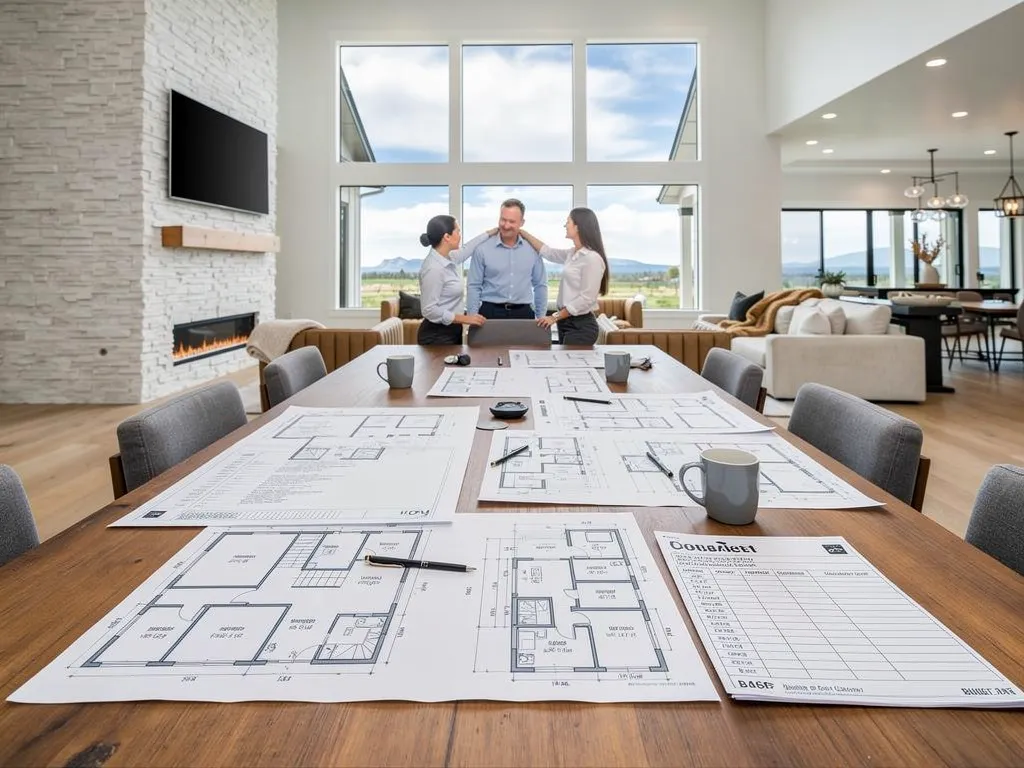
Custom Home Building Process Explained for First-Time Homeowners
Custom Home Building Process Explained for First-Time Homeowners
The Custom Home Building Process Explained: A First-Time Homeowner’s Guide
Building a custom home for the first time is one of the most rewarding decisions a homeowner can make — and, understandably, one of the most daunting. Unlike buying an existing house, a custom build puts you in the driver’s seat for nearly every decision, from the shape of the floor plan to the fixtures in the primary bath. Select Design & Build has guided first-time clients through the custom home building process for years, and this guide walks through what to expect at each stage, so you can move forward with confidence instead of guesswork.
Key Takeaways
- Building a custom home for the first time generally follows seven stages: vision and budgeting, land and financing, design, permitting, site work and foundation, framing and systems, and interior finishes.
- Most custom homes take roughly nine to eighteen months to build, plus several months of design and permitting before construction starts.
- A custom home construction loan releases funds in draws tied to construction milestones, unlike a traditional mortgage.
- A realistic, itemized budget with a contingency reserve is one of the biggest predictors of a smooth build.
- Proactive communication from your builder at every milestone is what separates a stress-free build from a frustrating one.
Step 1: Define Your Vision and Set a Realistic Budget
Every successful custom home construction project starts with clarity on two fronts: what you want and what you can spend. Homeowners work with their builder to outline must-haves versus nice-to-haves, preferred architectural style, and how the home needs to function for their household. A realistic, itemized budget — one that accounts for site work, permits, finishes, and a contingency reserve — prevents painful surprises later. Select Design & Build starts every client relationship with this conversation, because a well-defined vision keeps every later decision faster and more confident.
Step 2: Secure Your Land and Financing
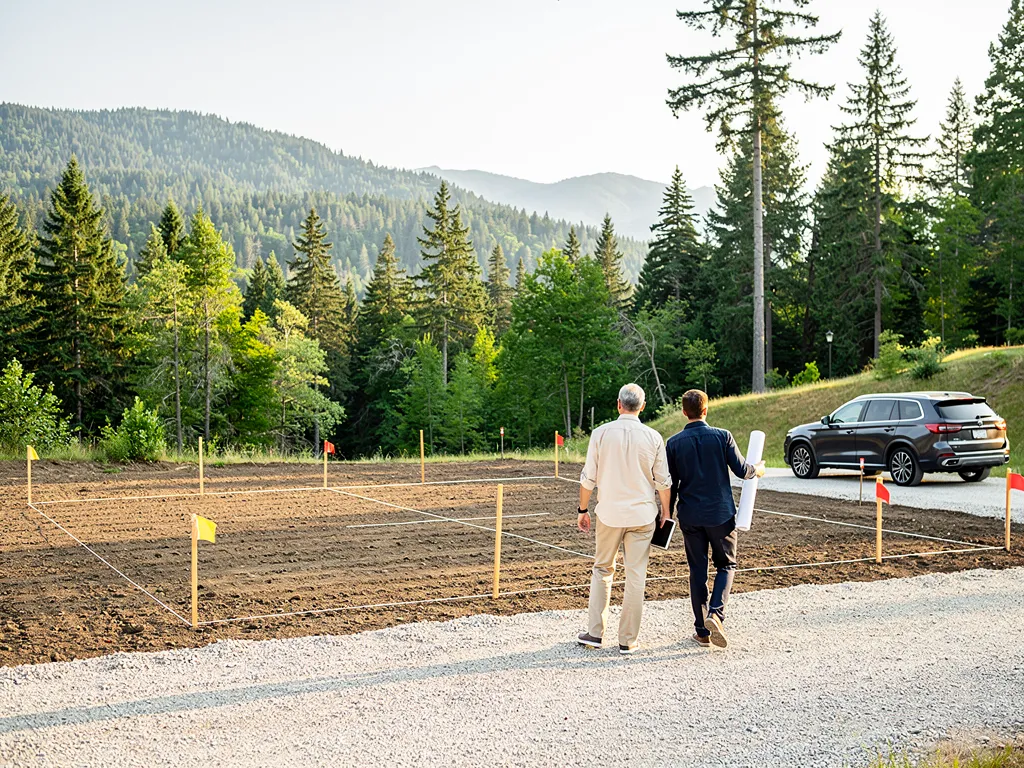
If you don’t already own your homesite, this is the stage to find and evaluate it — soil conditions, access, utilities, and zoning all affect what can be built and at what cost. In parallel, most first-time buyers pursue a custom home construction loan, which differs from a traditional mortgage: funds are typically released in draws tied to construction milestones rather than paid out in a lump sum. Lenders will want to see your builder’s estimate and plans before approving financing, so this step often runs alongside Step 3.
Step 3: Design the Home With Your Builder

With a vision, budget, and site in hand, the design phase turns ideas into buildable plans. This typically includes schematic design, material and finish selections, and structural engineering, with your builder advising along the way on what fits the budget and the site. This is the heart of building a custom home for the first time — it’s where the floor plan, elevations, and finish palette come together into a plan you can actually build.
Step 4: Permitting and Pre-Construction Planning
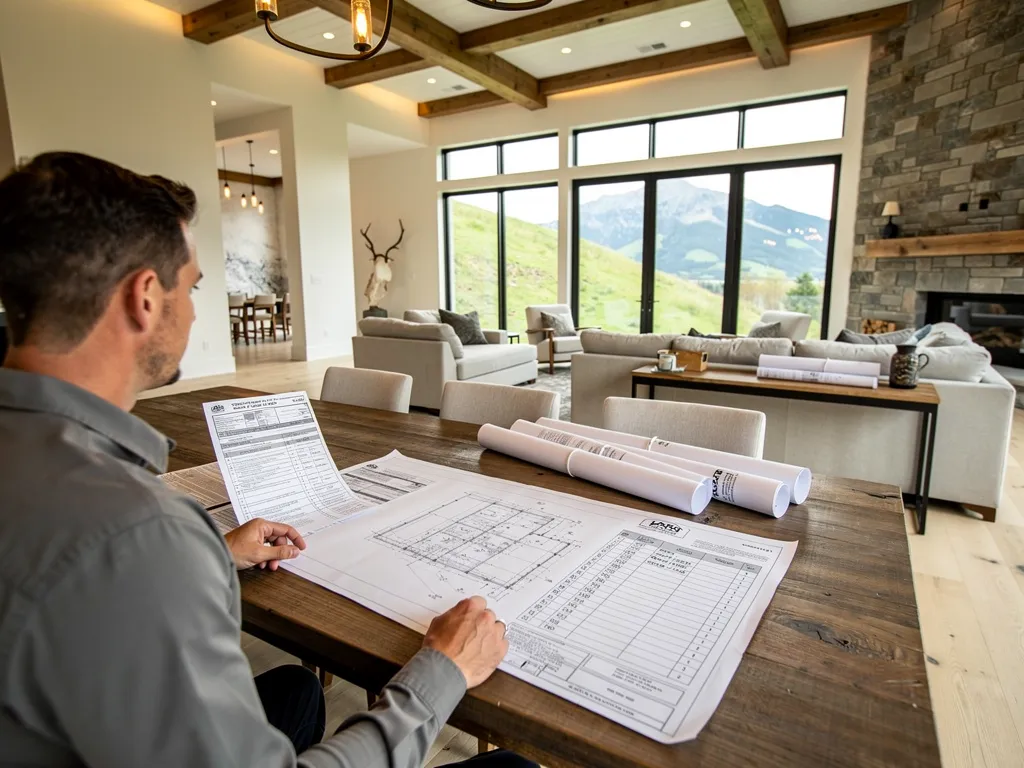
Before any ground is broken, your builder submits plans for permitting and finalizes the pre-construction details: a firm construction schedule, subcontractor scheduling, and a final materials list. Permitting timelines vary significantly by jurisdiction, so this stage is often where first-time homeowners feel the least in control — a dependable builder keeps you updated so the wait doesn’t feel like a black box.
Step 5: Site Work and Foundation
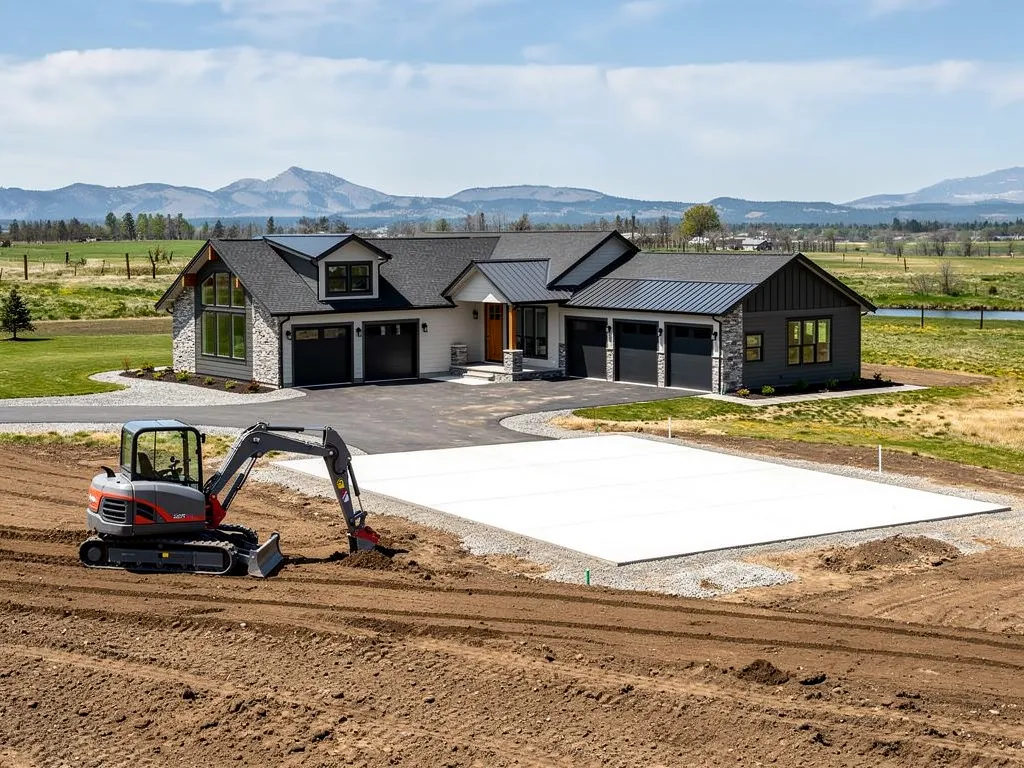
Construction visibly begins with site preparation — clearing, grading, and utility connections — followed by the foundation. This stage sets the literal groundwork for everything that follows, and inspections at this point confirm the home is built to code before framing starts.
Step 6: Framing, Systems, and the Building Shell
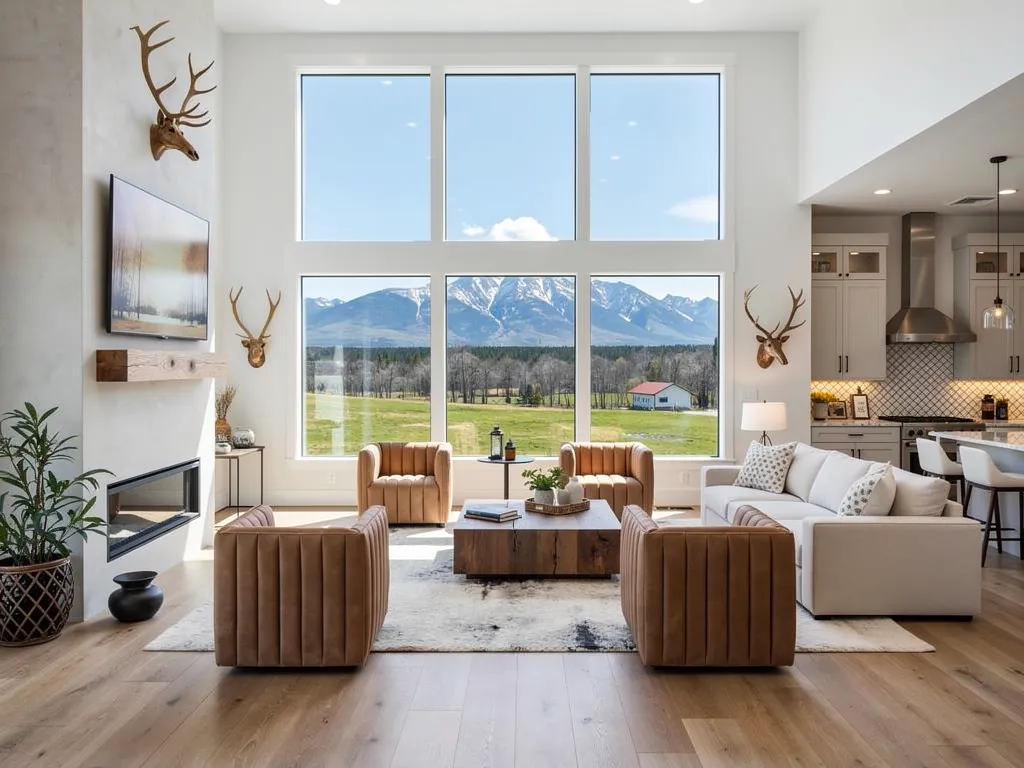
Framing gives the home its first real shape, followed by the installation of plumbing, electrical, and HVAC systems, then insulation, windows, and exterior finishes. This is typically the longest stretch of the custom home construction steps, and it’s when the project starts to look and feel like an actual home.
Step 7: Interior Finishes and Final Walkthrough

Drywall, flooring, cabinetry, countertops, paint, and fixtures bring the design vision to life. Once finishes are complete, a final walkthrough and punch list ensure every detail meets the agreed-upon plan before keys are handed over.
How Long Does It Take to Build a Custom Home?
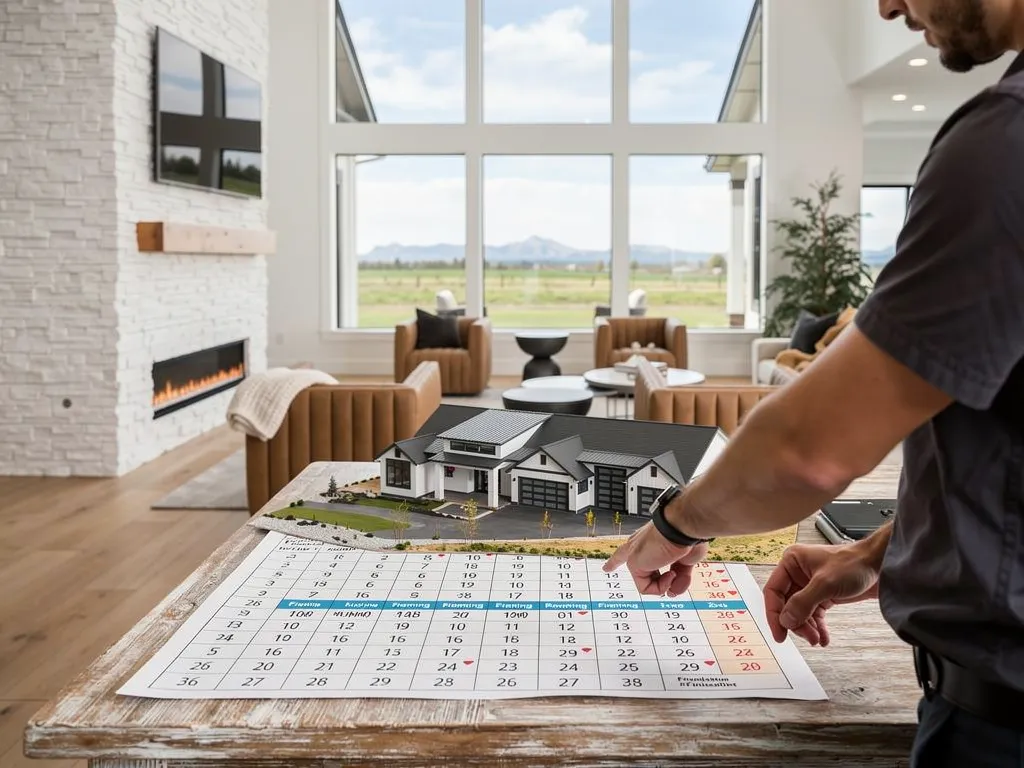
Timelines vary by size, complexity, site conditions, and permitting speed, but most custom homes take roughly nine to eighteen months from groundbreaking to move-in — with design and permitting adding several months before construction even starts. A dependable custom home builder timeline is built from real milestones, not guesses, and should be revisited regularly as the project progresses so you always know where things stand.
What to Expect From Your Builder Along the Way
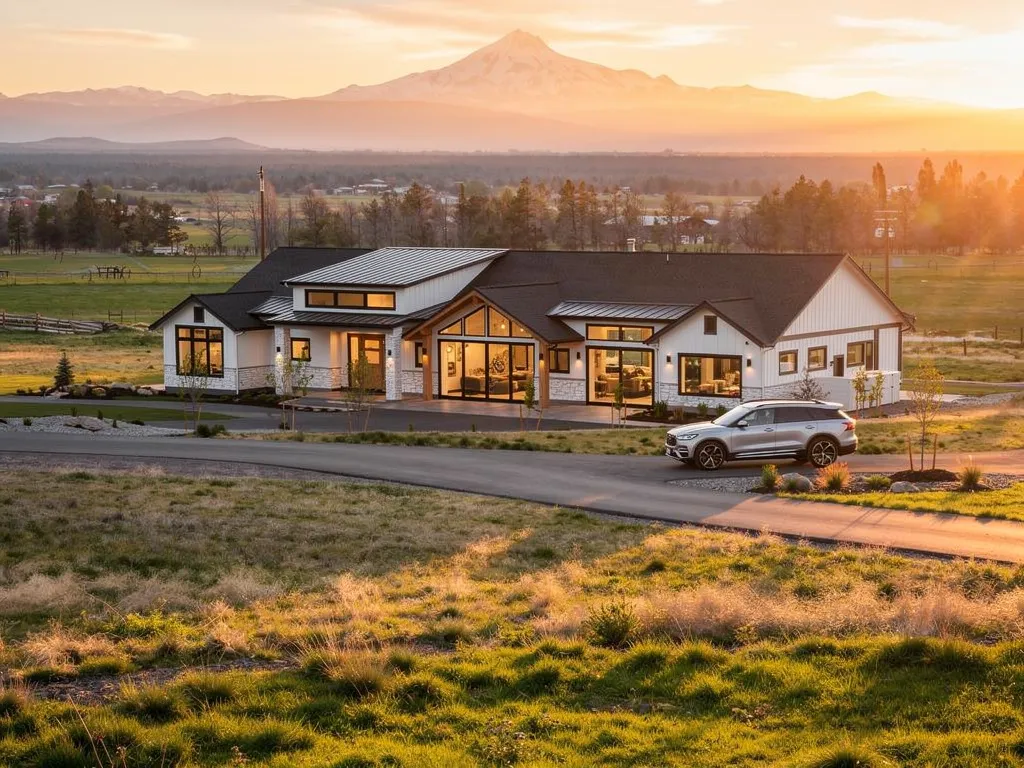
A trustworthy builder communicates proactively at each milestone rather than leaving clients to wonder what’s happening. Regular updates, transparent budget tracking, and clear explanations of any changes are what separate a smooth build from a stressful one — and they’re what first-time homeowners should expect and ask for when choosing a builder.
Conclusion
Building a custom home for the first time can feel overwhelming when you look at it as one giant decision, but broken into stages — vision and budget, land and financing, design, permitting, site work, framing, and finishes — it becomes a manageable, step-by-step journey. The homeowners who navigate it most confidently are the ones who understand what’s coming next and partner with a builder who communicates clearly at every milestone. With the right plan and the right team, the custom home construction steps outlined here can take you from an empty lot to a home built entirely around how you live.
Frequently Asked Questions
How long does it take to build a custom home?
Most custom homes take roughly nine to eighteen months to build once construction begins, depending on size, complexity, and site conditions. Design and permitting typically add several more months before groundbreaking, so it’s wise to plan for a total timeline of a year or more from first conversation to move-in.
What’s different about a custom home construction loan?
A custom home construction loan releases funds in draws tied to construction milestones rather than as a single lump sum, and lenders typically require your builder’s estimate and plans before approving financing. Many first-time homeowners convert this loan into a standard mortgage once the home is complete.
How many decisions will I actually need to make?
You’ll make decisions at every stage, from floor plan and finishes to fixtures and materials, but a good builder narrows choices to curated options and advises on what fits your budget and site, so you’re never facing decisions alone.
Do I need to already own land to start the custom home building process?
No. Many first-time homeowners start the process before securing a site, and finding and evaluating land is one of the early steps. Your builder can help assess soil conditions, access, utilities, and zoning before you commit to a property.
What should I look for in a custom home builder?
Look for a builder who communicates proactively at each milestone, tracks the budget transparently, and clearly explains any changes along the way. That kind of structured, client-focused partnership is what separates a smooth build from a stressful one.